ASCOPE Task Forces and Leadership
Specialized task forces led by industry experts to address key challenges and opportunities in the ASEAN energy sector, with dedicated chairpersons guiding each initiative.
ASCOPE Organizational Structure: Chairpersons of the Four Task Forces

Exploration and Production (E&P)
The E&P Task Force focuses on developing strategies and cooperation in the exploration and production of energy resources in the ASEAN region. Its initiatives include improving recovery factors, implementing advanced technologies, and developing new fields to ensure regional energy security.
Key areas of work include improving recovery factors from existing fields, promoting the application of advanced and innovative technologies, and supporting the development of new oil and gas fields. Through technical collaboration, knowledge sharing, and the exchange of best practices, the E&P Task Force aims to optimize resource utilization, increase production efficiency, and address common technical and operational challenges faced by member countries.

Mdm. Sinchia Dewi Puspita
Organization

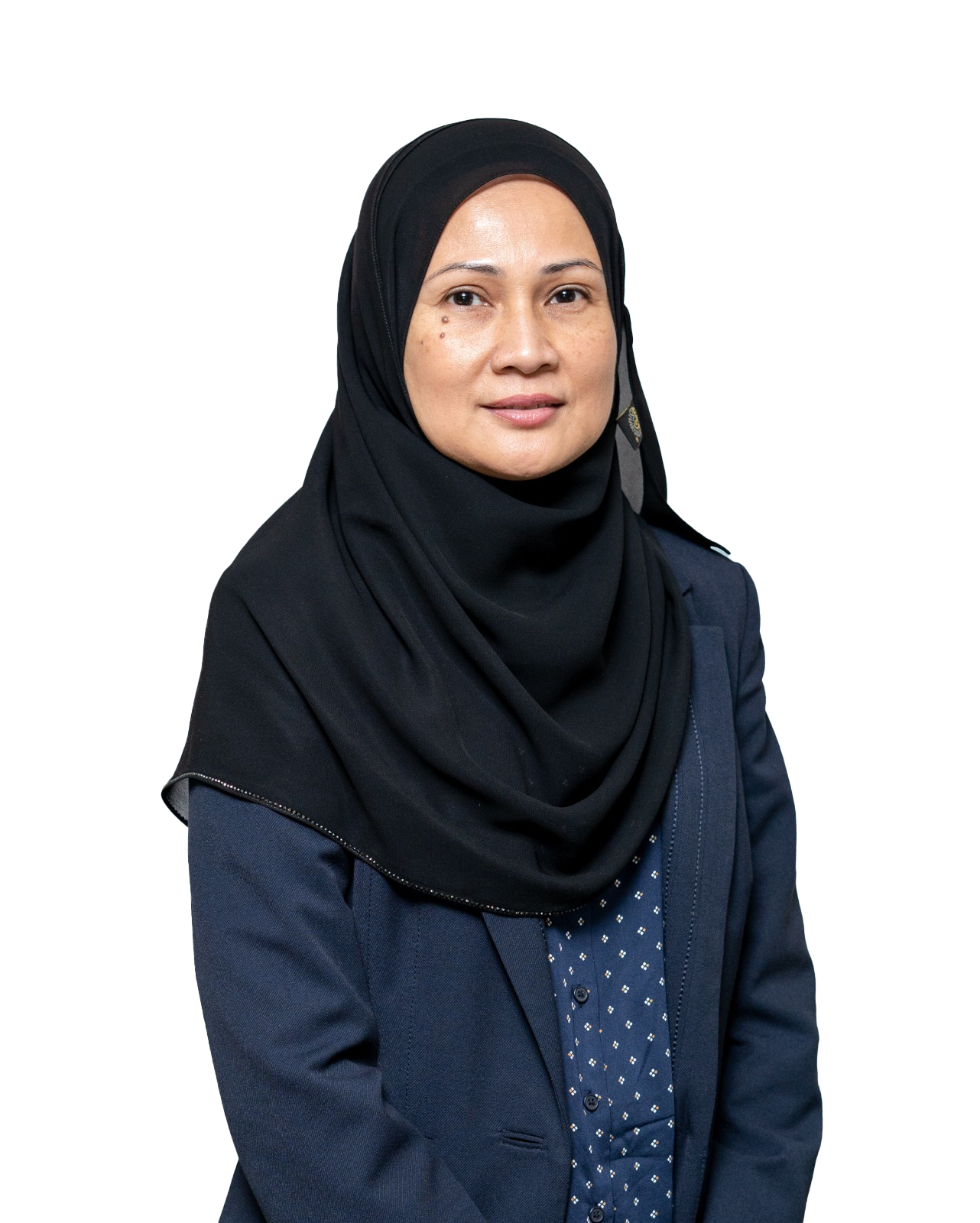
Mdm. Siti Salwati H. Mhd Shariff
Organization


Gas Advocacy (GA)
The Gas Advocacy (GA) Task Force serves as a regional platform to promote the role of natural gas as a clean, reliable, and efficient transitional energy source within the ASEAN region. The task force focuses on advancing the utilization of natural gas to support energy security, economic growth, and emissions reduction while facilitating the transition toward a more sustainable energy system.
Key areas of engagement include the development and optimization of gas infrastructure such as pipelines, LNG facilities, and distribution networks, as well as the promotion of supportive regulatory and policy frameworks across ASEAN Member States. Through dialogue, technical collaboration, and knowledge exchange, the GA Task Force encourages the harmonization of standards and best practices to strengthen regional gas connectivity and market integration.
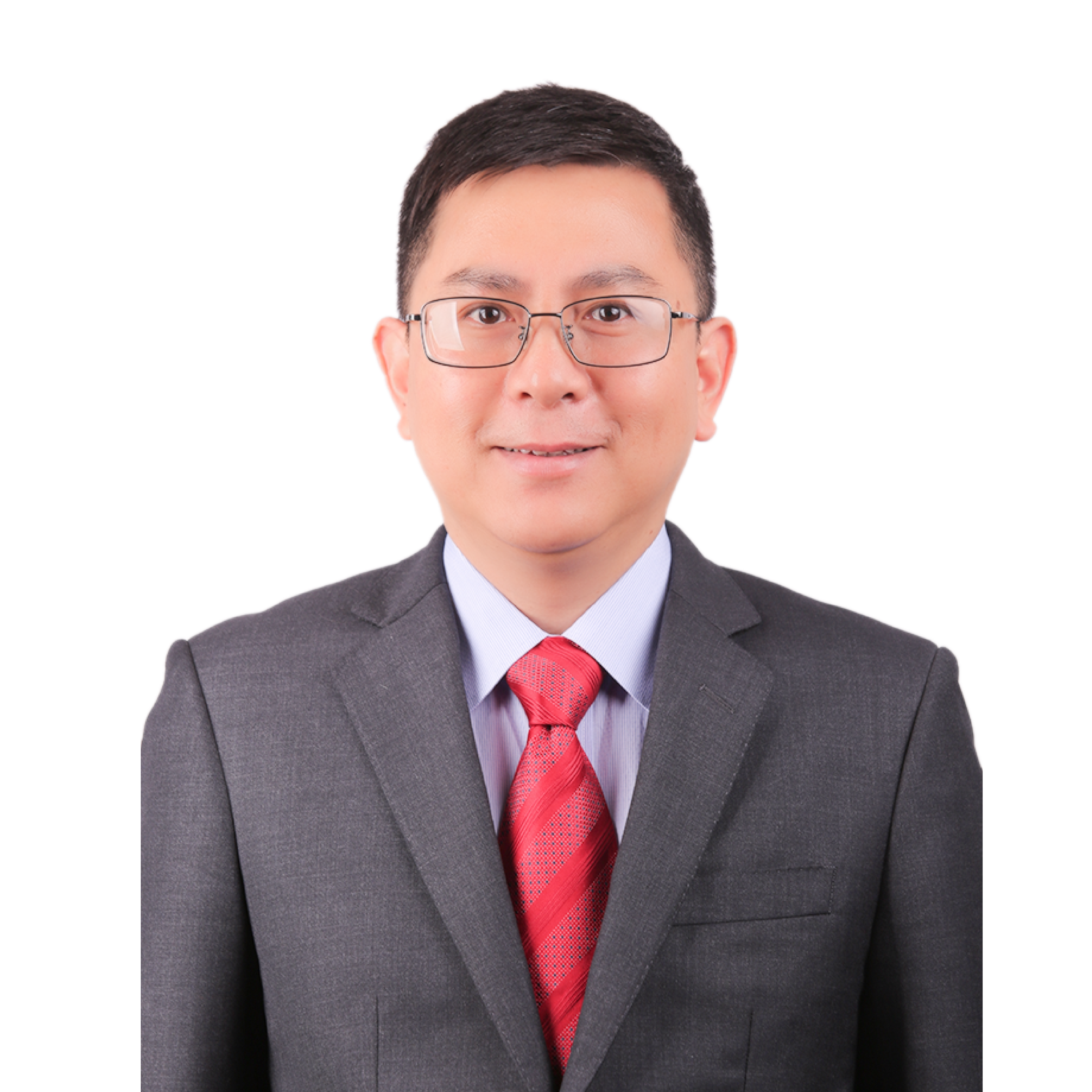
Mr. Ngo Anh Hien
Organization


Mr. Thanat Obyam
Organization


Clean Energy (CE)
The Clean Energy (CE) Task Force plays a strategic role in promoting the clean energy transition across the ASEAN region by advancing the development and deployment of renewable energy, energy efficiency measures, and low-carbon technologies. The task force supports ASEAN Member States in diversifying their energy mix while reducing environmental impacts and enhancing long-term energy sustainability.
Key initiatives include facilitating the integration of renewable energy into national and regional power grids, supporting the development of solar, wind, and other renewable energy projects, and encouraging the adoption of green and low-carbon technologies. Through technical cooperation, policy dialogue, and knowledge sharing, the CE Task Force aims to address technical, regulatory, and investment challenges related to clean energy development.
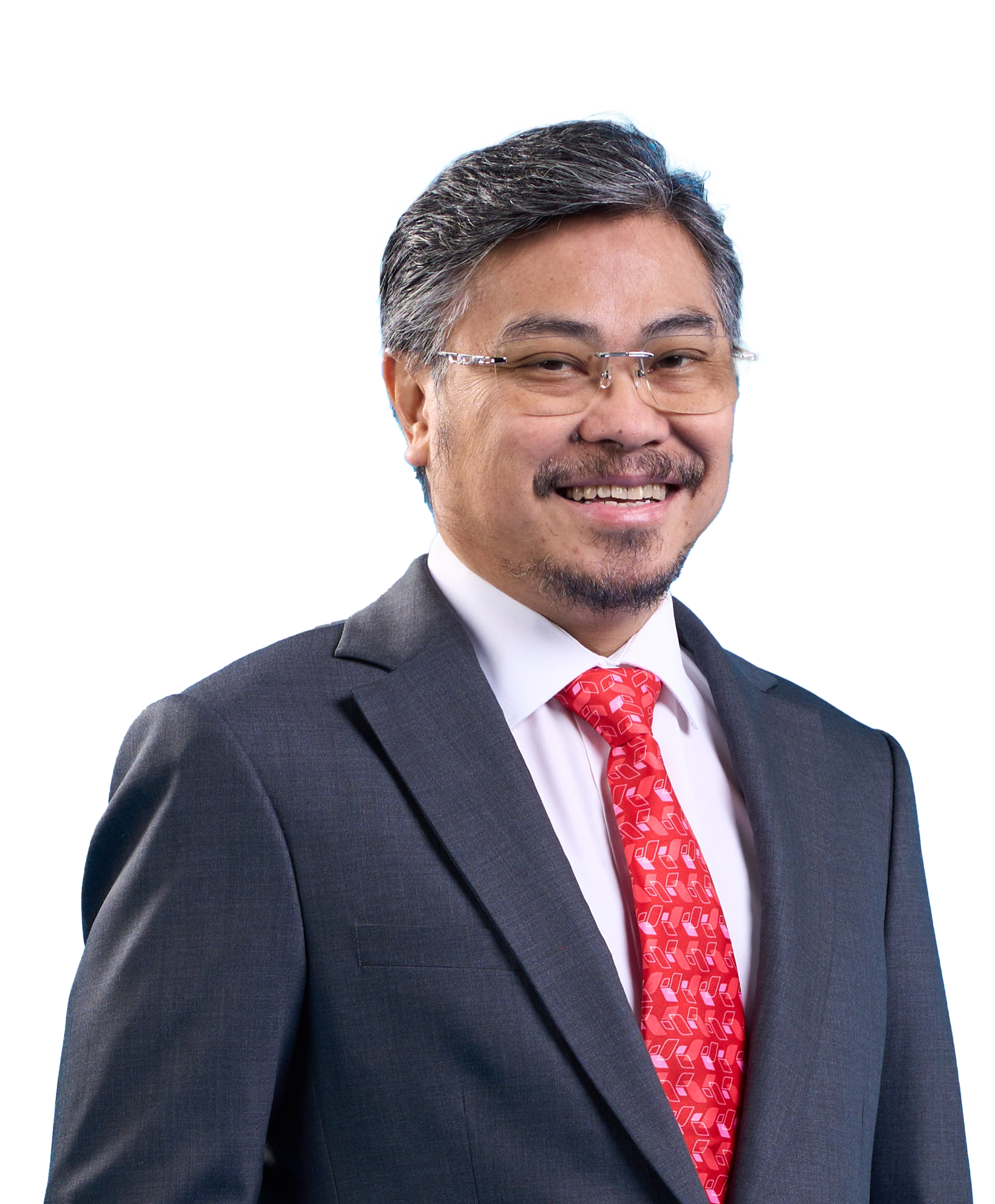
Mr. John Anis
Organization
Mr. M. H.Ghazali
Organization


Mr. Jack Lim
Organization

Policy, Research, and Capability Building (PRCB)
The Policy, Regulation & Capacity Building (PRCB) Task Force plays a vital role in supporting the transformation of the ASEAN energy sector through the development of effective energy policies, regulatory frameworks, and human resource capabilities. The task force serves as a platform for collaboration among ASEAN Member States to address policy challenges and strengthen institutional capacity in response to evolving regional and global energy dynamics.
Its key areas of focus include energy policy research, regulatory and standards development, and the formulation of best practices that support energy security, sustainability, and market efficiency. In parallel, the PRCB Task Force emphasizes human capital development through training programs, workshops, and competency-building initiatives aimed at enhancing the skills and expertise of energy professionals across the region.

Mdm. Hana Maslinda Md Idrus
Organization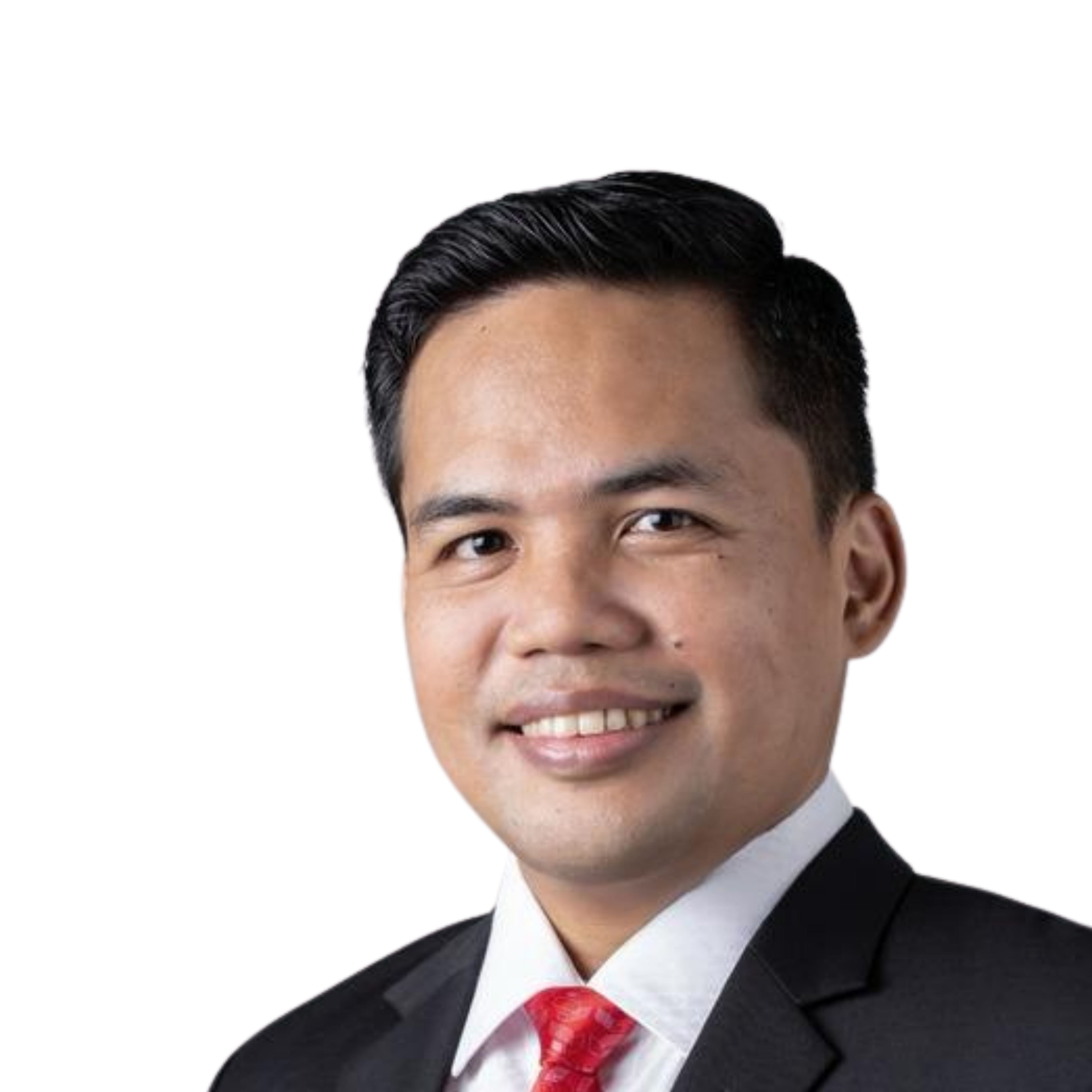
Mr. Yulius S.Bulo
Organization
Mr. Nguyen Quang Huy
Organization
Strategic Implementation & Leadership
ASCOPE Task Forces are established by the Council to address specific technical and strategic challenges in the ASEAN energy sector. Each Task Force is led by a Chairperson appointed from member companies, bringing specialized expertise and regional perspectives.
Chairpersons serve renewable terms and are responsible for guiding task force activities, coordinating with member countries, and presenting recommendations to the ASCOPE Council for endorsement and implementation.
Streams in ASCOPE
Streams represent ASCOPE’s thematic coordination framework, designed to facilitate focused collaboration, knowledge sharing and strategic initiatives among member companies across key areas of the oil and gas value chain.
Methane
Led by PETRONAS in collaboration with the ASEAN Centre for Energy (ACE) and Pertamina, the Methane Leadership stream serves as a flagship regional platform to accelerate methane emissions reduction across the ASEAN petroleum industry.
The Methane Leadership Program (MLP) is designed as a phased, strategic pathway to transform regional methane management from awareness to measurable impact. Each phase represents a deliberate progression in ambition, capability, and execution—ensuring that ASEAN’s oil and gas sector remains aligned with global climate expectations while strengthening regional competitiveness.
MLP 1.0 (2023–2024) established the strategic foundation. The focus was on capability building, stakeholder alignment, and awareness enhancement across ASEAN National Oil Companies (NOCs) and industry partners. This phase created a shared understanding of methane mitigation priorities and laid the groundwork for structured regional collaboration.
Building on this foundation, MLP 2.0 (2024–2026) marked a strategic pivot toward implementation readiness and regional credibility. The program advanced technical deployment efforts, strengthened Monitoring, Reporting, and Verification (MRV) frameworks, and initiated the development of an enabling ecosystem—covering technology partnerships, financing pathways, and data transparency. This phase signified ASEAN’s transition from commitment to coordinated action.
Currently, MLP 3.0 (2026–2027) is centered on execution at scale. The emphasis has shifted toward measurable methane reductions, performance tracking, and replicable implementation models across the region. By scaling proven solutions and embedding accountability mechanisms, MLP 3.0 aims to deliver quantifiable emissions impact while reinforcing ASEAN’s position in the global decarbonisation landscape.
Through its structured evolution—from engagement, to implementation, to measurable outcomes—the Methane Leadership Program demonstrates ASEAN’s collective commitment to pragmatic, industry-driven decarbonisation. The initiative not only supports methane reduction targets, but also enhances operational excellence, regulatory alignment, and long-term energy resilience across the region.

Mdm. Rizka Perdhani
Organization
Mr. Syahrul Fitri B Mohamed
Organization
CCS/CCUS
The CCS/CCUS stream focuses on enabling Carbon Capture and Storage CCS and Carbon Capture Utilization and Storage CCUS as technically viable commercially bankable and regionally coordinated solutions for hard to abate sectors across ASEAN. Supported by PTT and other ASEAN National Oil Companies NOCs this stream is positioned as a strategic platform to accelerate large scale deployment and investment readiness in the region.
The initiative is further strengthened through close collaboration with EPTF and PRCB. Within this framework EPTF concentrates on advancing technical and feasibility studies to support evidence based development while PRCB focuses on capability building to enhance institutional readiness, technical competence and knowledge transfer among ASEAN stakeholders. Together these complementary roles ensure that both analytical depth and human capital development underpin regional CCS and CCUS advancement.
A central objective of the stream is the development of a coherent regional deployment framework that can facilitate timely and scalable project implementation. Key areas of work include establishing harmonized technical standards for carbon capture systems, developing guidelines to ensure safe and long term geological storage and addressing cross border legal and regulatory considerations particularly in relation to shared storage resources and transboundary CO2 transport infrastructure.
Currently the stream has progressed toward more implementation oriented initiatives. Priority activities include the development of CCS and CCUS industrial hubs to cluster emissions sources and optimize shared infrastructure exploration of carbon market integration to enhance project bankability and revenue certainty and policy alignment efforts to strengthen regulatory clarity and investor confidence across jurisdictions.
Through this integrated approach combining technical studies capability enhancement policy coordination and market mechanisms the CCS and CCUS stream aims to establish a credible regional pathway for large scale carbon management reinforcing ASEAN long term decarbonisation strategy while safeguarding energy security and industrial competitiveness.
Mdm. Dewi Mersitarini
Organization
Mdm. Hana Maslinda Md Idrus
Organization